
Dry
Acupuncture
Science never sleeps and medical knowledge is always refined. The science of dry needling has undergone thoughtful revisions in its short history. The first trigger point treatments injected medicine into muscles. The medicine didn’t make a difference so they used the syringe with no medicine “to dry needle.” Later the gentler, filiform acupuncture needle was adopted and is still the standard medical device that all dry-needlers use.
What is a Trigger Point?
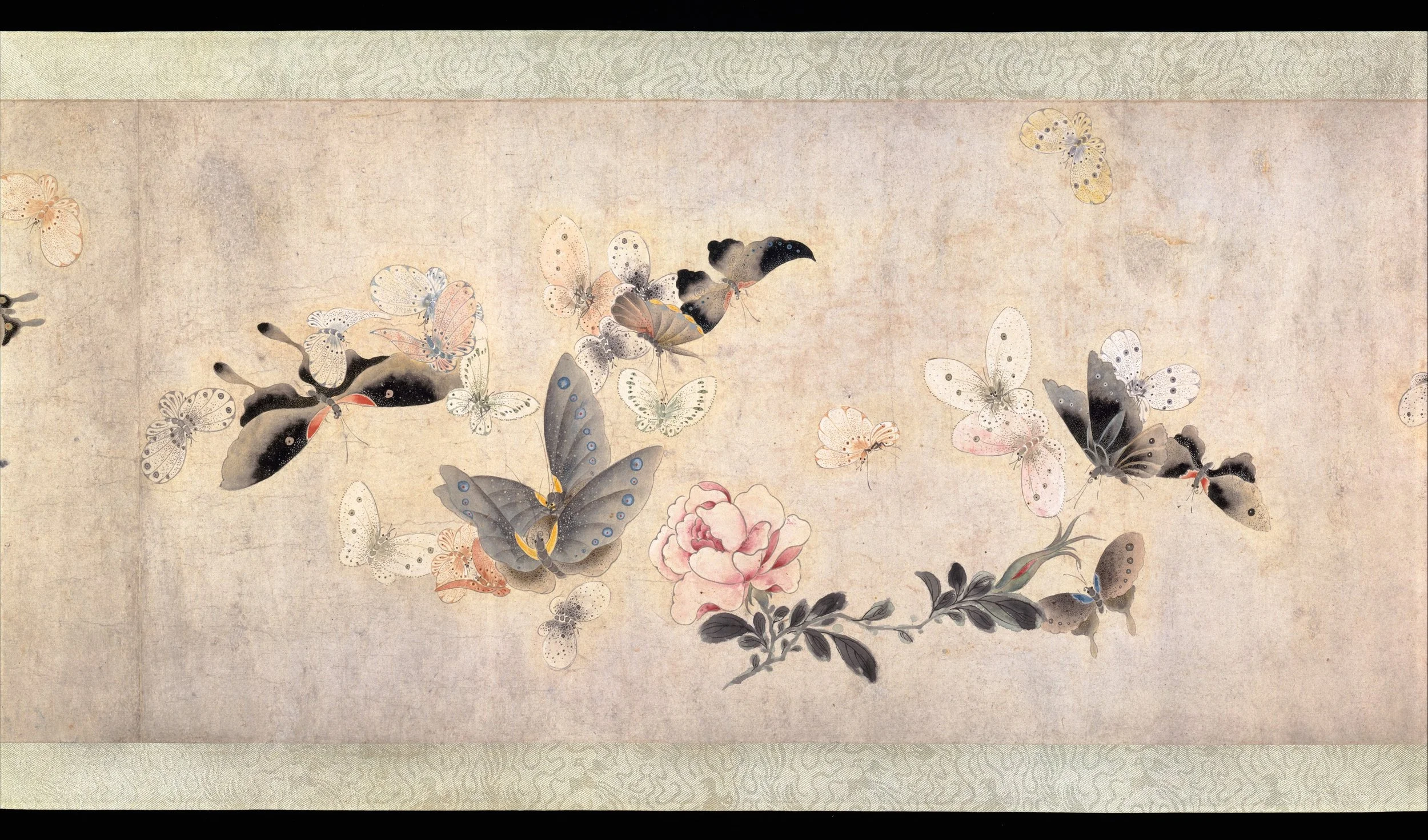
The tightest place in a tight muscle is a trigger point. An aggravated one will ache and refer pain in predictable patterns. If one bounces there with the tip of a needle, the muscle will UnSpasm! and return to its happy place: full resting length. Pain gone. Range of motion restored.
UnSpasm!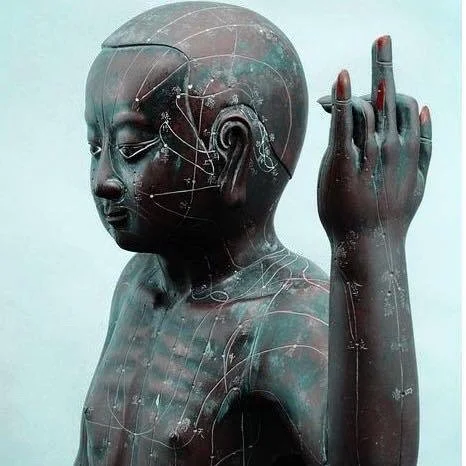
Is this acupuncture or dry needling?
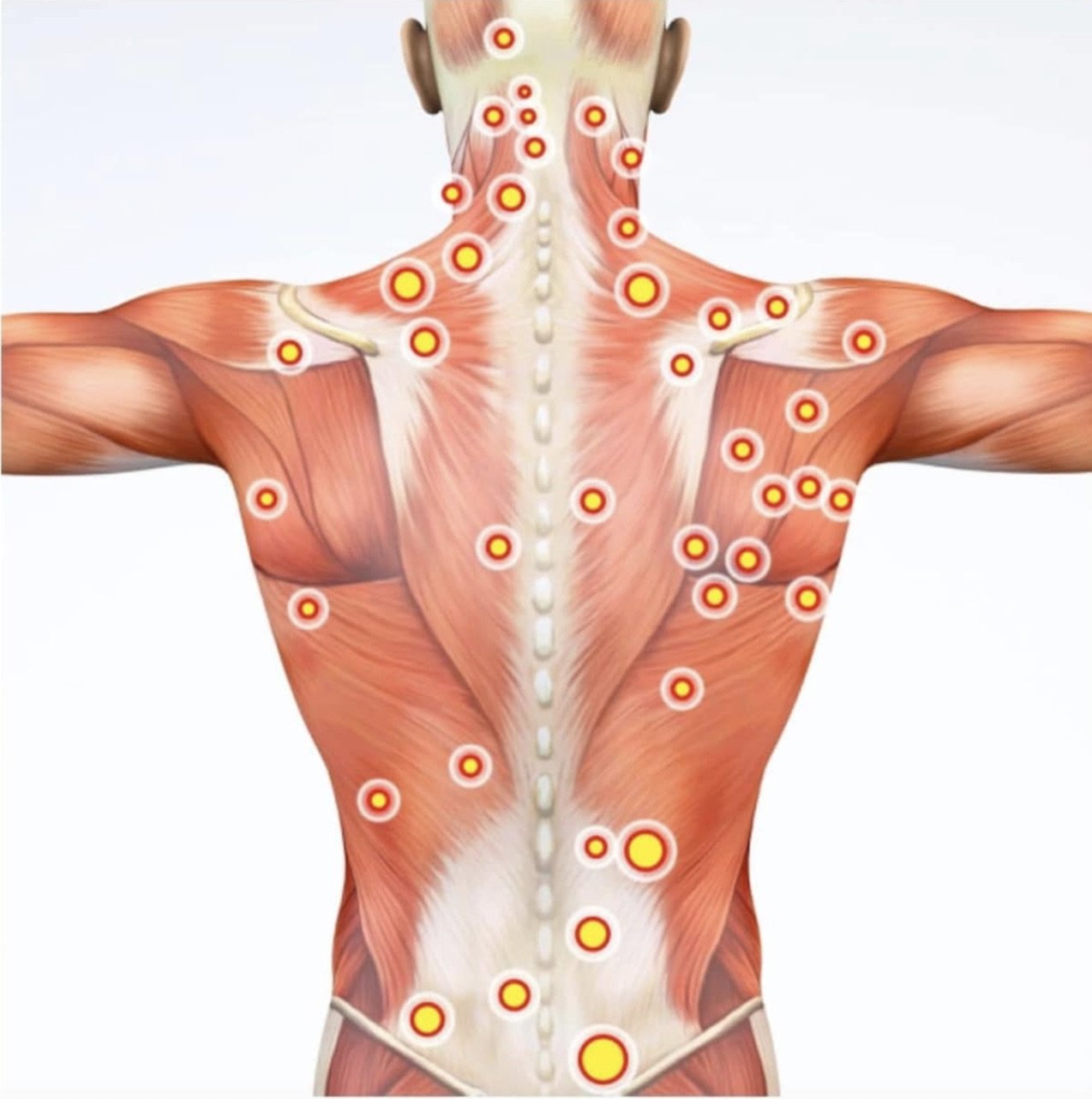
The most common problems keep happening to people forever. The top areas to dry needle are shoulders, neck and low back and the common treatment sights are exactly acupuncture points. There is a 90% overlap in the most common needling treatment sites.
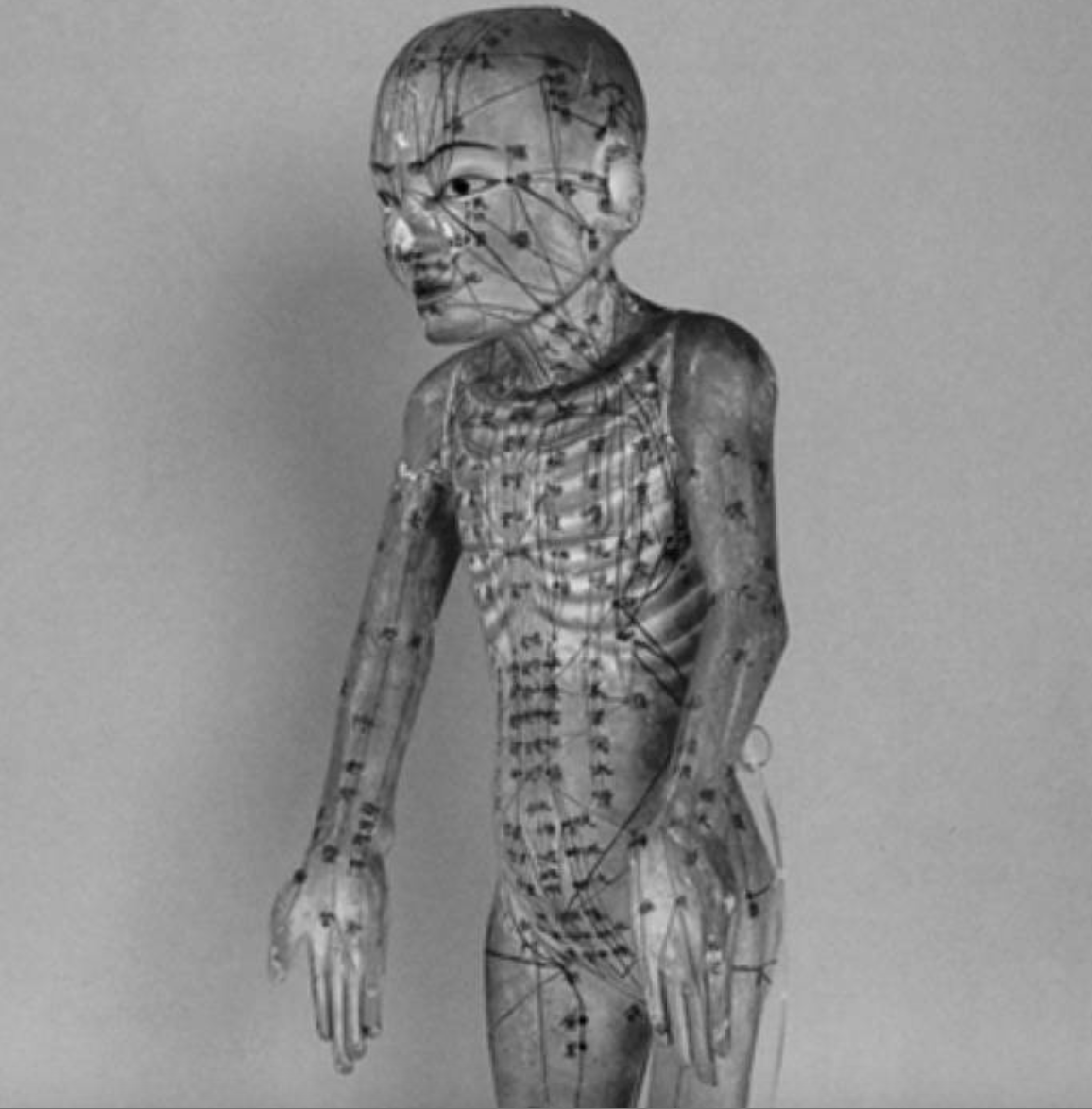
Acupuncturists train 1,000’s of hours in acupuncture theory, technique and safety including one year as observer and assistant, and two years as supervised interns.
In Georgia, new acupuncturists (with 3 years training) must practice directly under an MD supervisor for a year because the needles are considered so dangerous.
Dry Needling in Georgia requires completion of at least 50 hours of combined didactic and practical coursework to be Certified.
Practice, practice, practice. Training comparisons

There are great and terrible practitioners in all fields. Find someone you like and trust, who can smoothly effect changes to achieve your therapeutic goals. Acupuncture provides an interesting perspective, a wider facility of technique and range of treatment effects from the needling. Keeping current with medical knowledge is vital for every practitioner and any acupuncturist who doesn’t keep up with the latest dry needling is a fool. Fools also are the self-convinced “scientists” who dismiss 2,000 years of needling history as a theoretical exercise..
Anyone with a paintbrush is technically a painter. Science explains the Maillard reaction, it doesn't cook.